
For years, the fear of wetting down sleeping bags has been a cornerstone of outdoor gear wisdom, leading to the widespread use of potentially harmful Durable Water Repellent (DWR) chemicals. This fear, however, is largely based on exaggerated industry tests that don't reflect real-world scenarios. This article challenges the prevailing myth that wet down equals complete insulation failure. We delve into a series of rigorous tests examining untreated down's performance under various moisture conditions, from light condensation to full submersion.These tests, encompassing controlled water saturation, simulated rainfall exposure, and even a night spent in a creek-soaked sleeping quilt, reveal a surprising truth: untreated down retains a significant degree of insulation even when wet. We analyze the results, challenging the necessity of DWR chemicals for typical outdoor adventures and offering practical, environmentally friendly alternatives for managing moisture exposure and preserving the warmth of your down sleeping bag. Prepare to rethink your understanding of wet down's performance.
Pros And Cons
- Maintains some loft even when wet
- Provides sufficient warmth even when wet, especially when compressed
- Relatively unaffected by small amounts of water (e.g., light rain, creek crossing)
- Loses loft with larger quantities of water
- Can soak up significant water if left uncompressed in prolonged rain
Read more: Top 5 Square Camping Tables for Your Next Adventure
The Down Sleeping Bag Wetness Myth
For years, the prevailing wisdom has been: never get a down sleeping bag wet. The common belief is that wet down loses its insulating properties, becoming heavy and taking forever to dry. This fear has led to the use of potentially harmful Durable Water Repellent (DWR) chemicals in many down products.
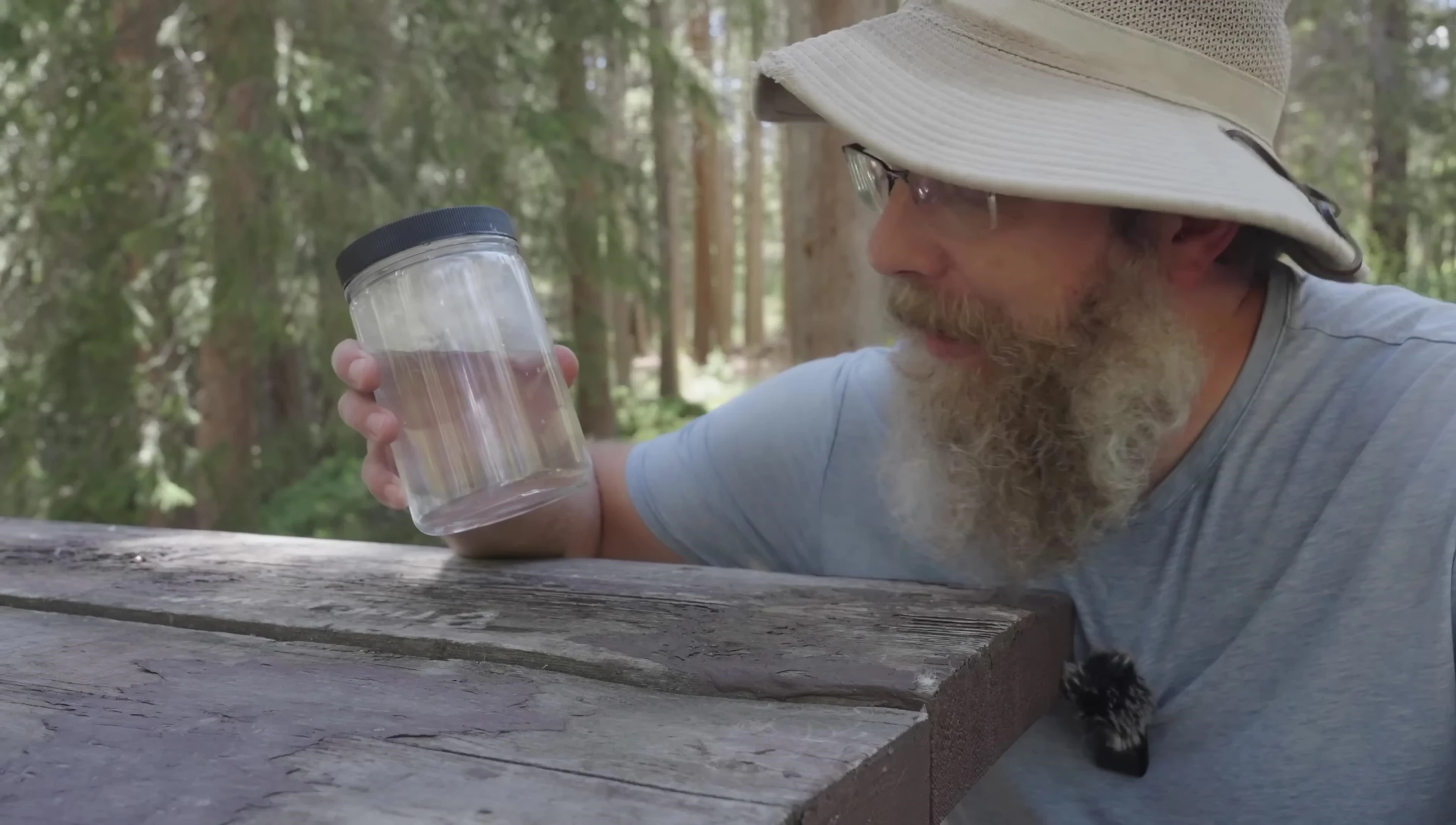
However, the traditional shake test used by brands to demonstrate this often uses unrealistic ratios of water to down. This exaggerated scenario doesn't reflect real-world conditions, where exposure to water is usually less extreme.
Real-World Wetness Scenarios
In reality, down sleeping bags are more likely to encounter minor amounts of moisture from rain seeping into a pack, condensation inside a tent, or a brief submersion in a shallow creek. The amount of water involved in these situations is significantly less than the dramatic shake tests suggest.
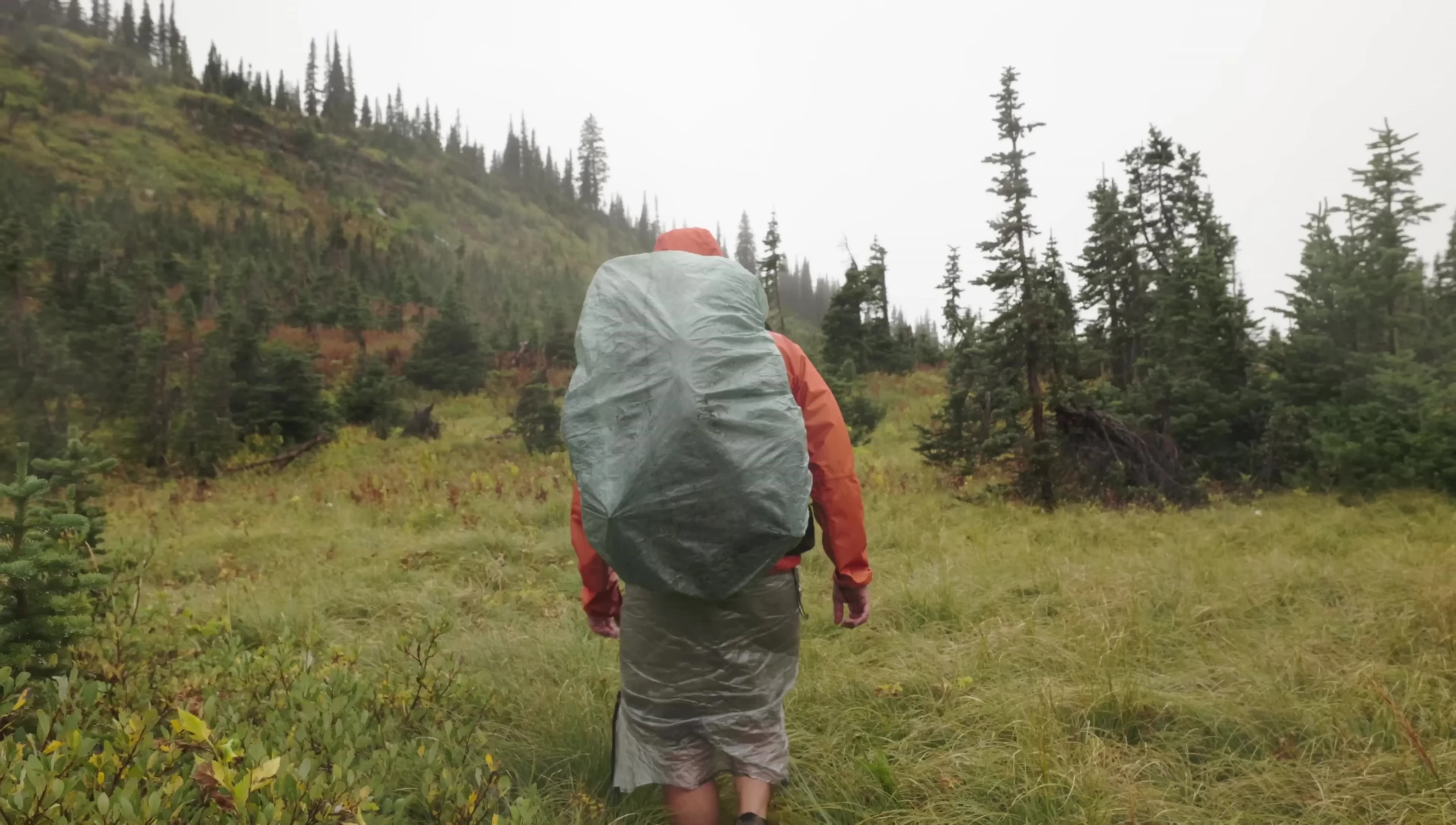
Therefore, the question arises: is the use of potentially toxic DWR chemicals truly necessary for protection against these less extreme scenarios? A more thorough investigation is needed to determine the real-world impact of water on untreated down.
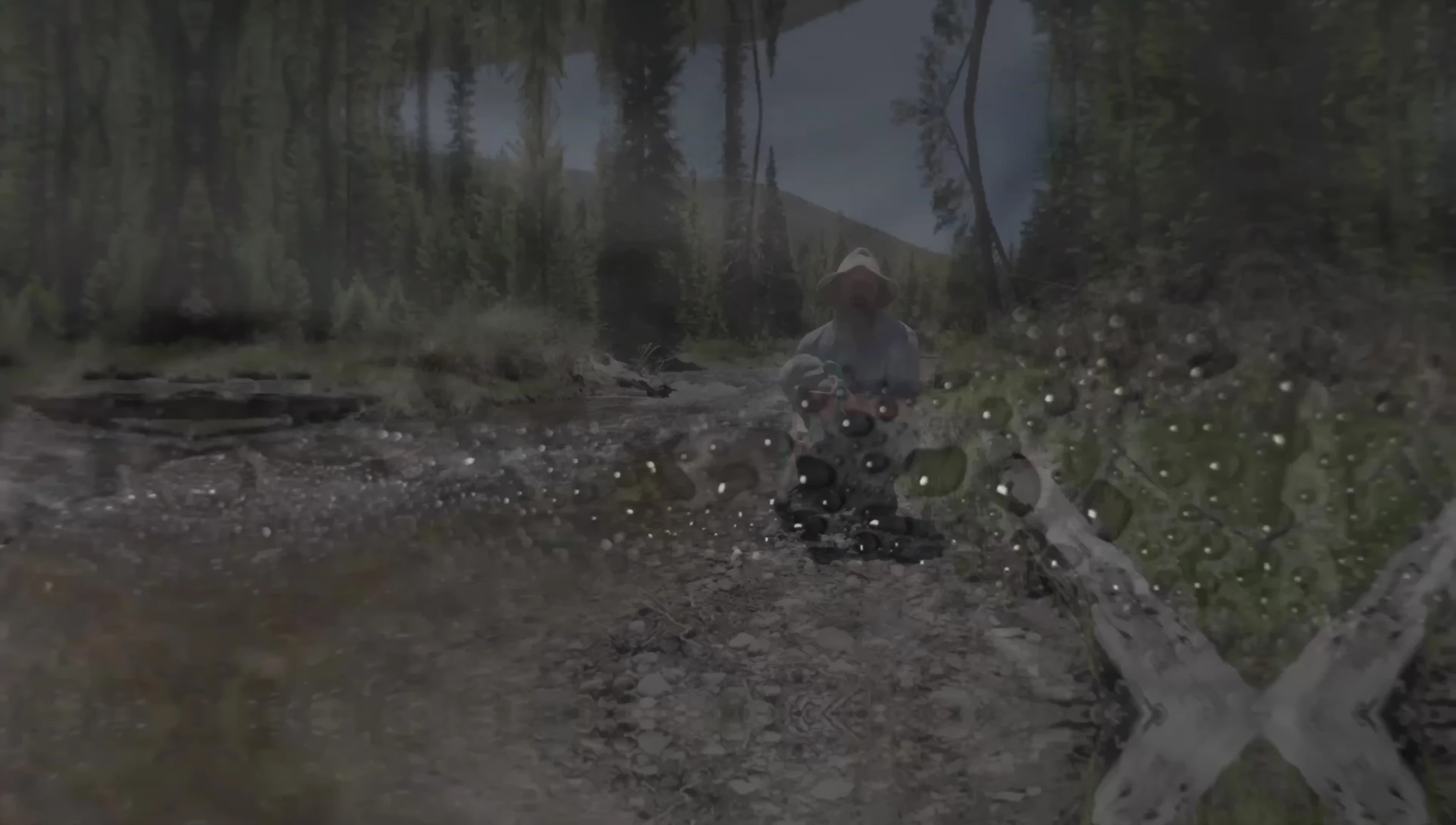
Testing Untreated Down's Water Resistance
To assess untreated down's resilience to water, a series of tests were conducted. These included measuring down fill power with increasing amounts of water added, assessing water absorption in a compressed state, and finally, a full-scale submersion test in a creek followed by overnight use.
The fill power test showed that even with substantial water saturation, the down retained some loft, indicating its ability to provide some insulation even when wet. Submersion tests revealed that a compressed down bag absorbed minimal water when submerged briefly.
Extended Exposure to Rain
A test simulating prolonged rain exposure involved placing a loosely compressed down quilt in a backpack and subjecting it to six hours of continuous rainfall. The quilt absorbed a notable amount of water, yet the amount remained below the threshold where significant loft reduction was observed in previous tests.
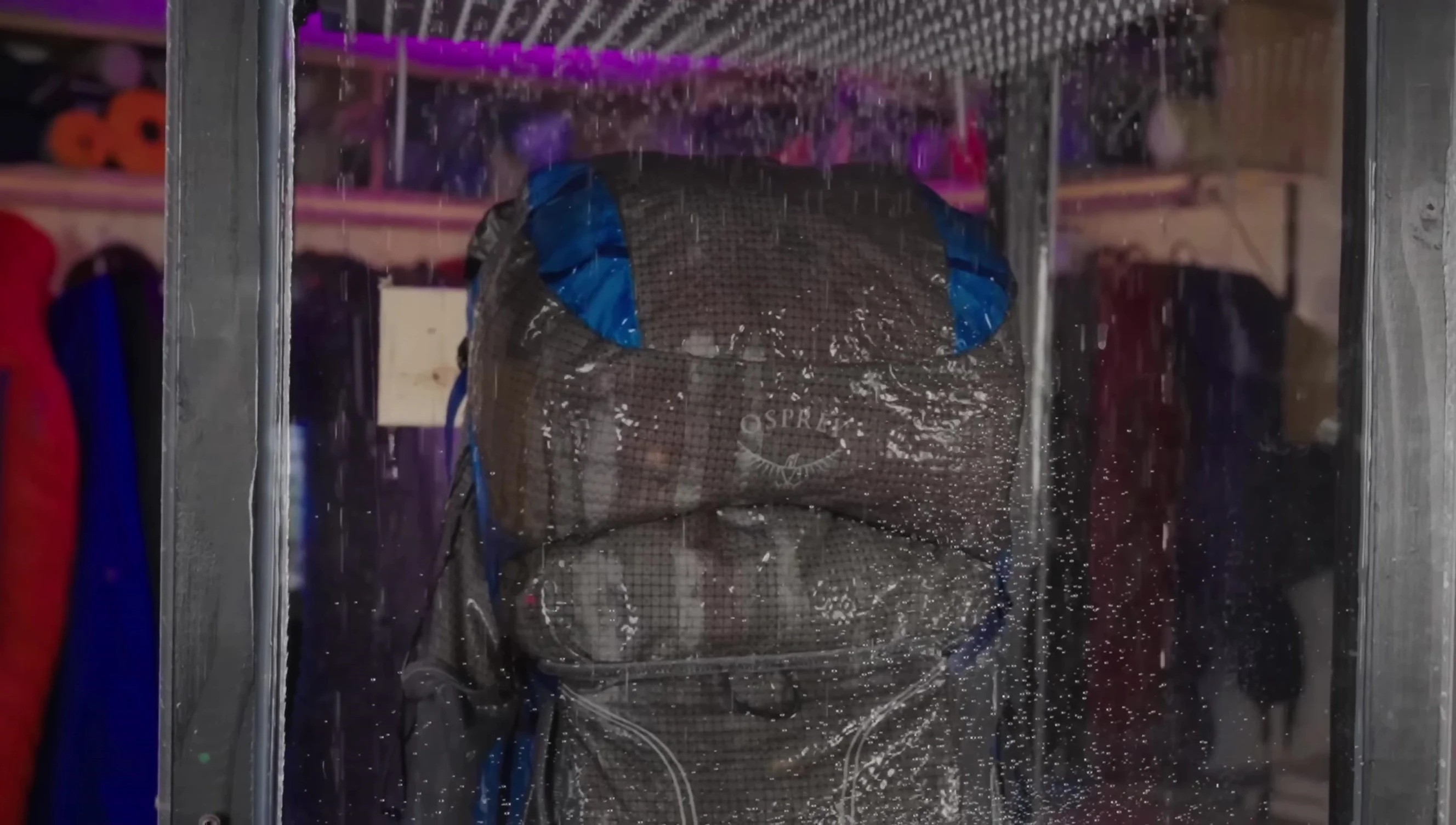
This highlights that even without protective measures, down sleeping bags can handle considerable moisture before experiencing dramatic performance degradation. In most cases, this amount of moisture is significantly less than that used in the standard industry shake tests.
The Overnight Creek Test
The ultimate test involved spending a night in a creek-soaked, untreated down quilt. The quilt absorbed a significant amount of water after being submerged, but the user remained warm and comfortable throughout the night, even with temperatures nearing freezing.
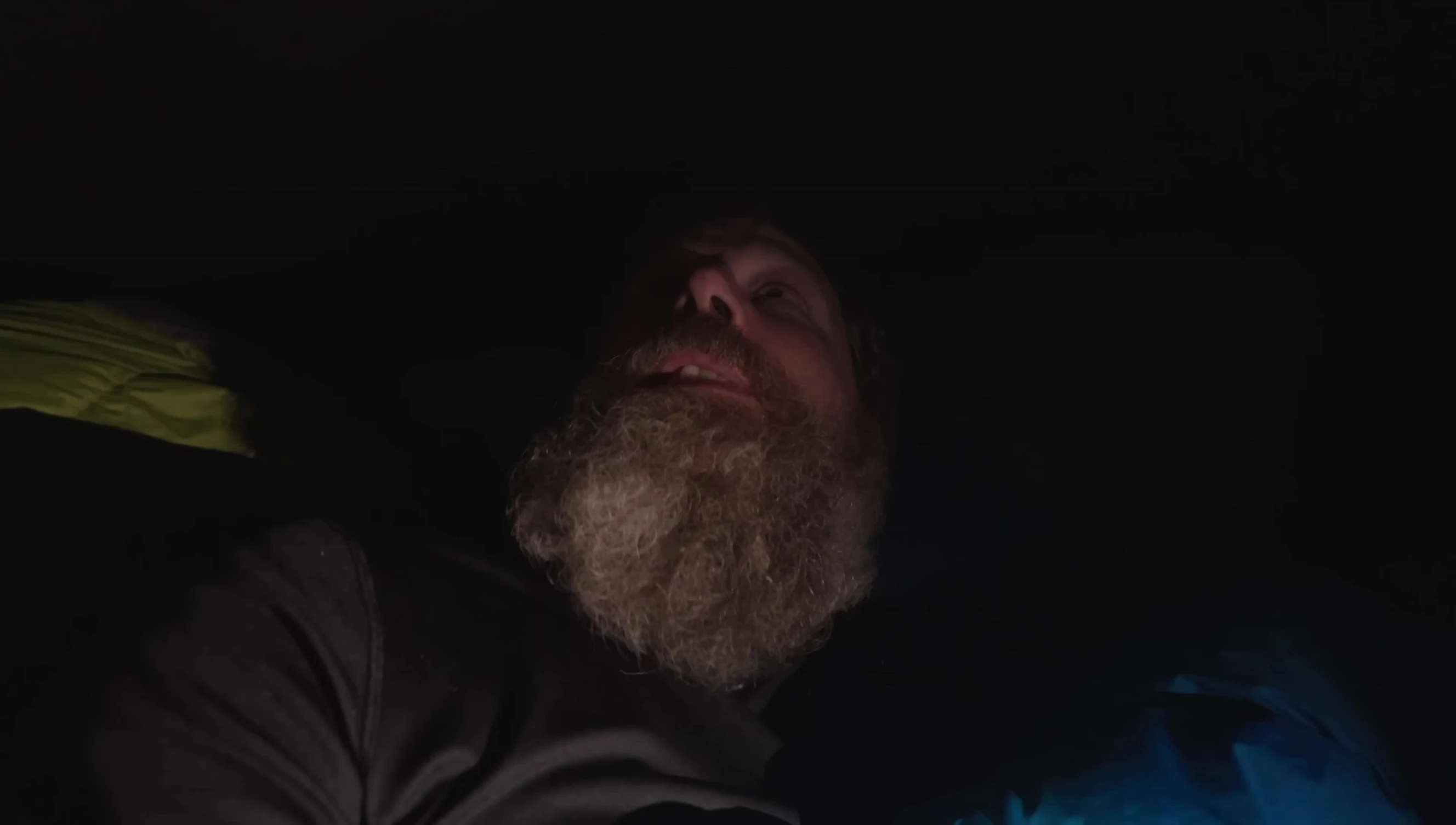
This experiment demonstrated that untreated down, while absorbing water, maintains its ability to provide insulation, debunking the myth of complete insulation loss when wet. However, the user notes that getting out of the bag to use the restroom caused significant chilling, which emphasizes the importance of staying in the bag to benefit from the insulation.
Conclusion: Re-evaluating Down Sleeping Bag Care
The findings challenge the common fear of wet down sleeping bags. While untreated down does absorb water, it retains its ability to provide insulation, even under substantial moisture conditions. The key is managing water exposure through compression and using a waterproof or water-resistant liner.
The use of DWR chemicals, while offering some added protection, might be unnecessary for most users who take reasonable precautions against excessive moisture. Using a dry bag or even a simple trash bag offers a practical and environmentally friendly alternative.