This review dives deep into the Warbonnet Ridgerunner hammock, specifically addressing its suitability for side sleepers. Tired of ground-sleeping discomfort? This detailed account explores how the Ridgerunner transformed backpacking sleep for a seasoned adventurer, moving from tent camping to the unparalleled comfort of a hammock. We'll examine the hammock's unique design features, including its flat sleeping surface created by spreader bars, eliminating the traditional hammock's curved shape. This allows for comfortable sleeping in any position – back, stomach, or side – making it a game-changer for those seeking superior comfort in the backcountry.Beyond the hammock itself, we'll delve into the various accessories that elevate the Ridgerunner system. From the choice of suspension systems and rain-fly tarps to the crucial addition of an underquilt for cold-weather camping, we'll cover everything needed for a comfortable and protected night's sleep under the stars. The review will also address the cost, comparing the investment to the long-term benefits of superior comfort and a consistently restful sleep, regardless of the conditions. Is the Ridgerunner worth the price? This review provides the answer.
Pros And Cons
- Allows side sleeping without pain
- Provides a flat sleeping surface
- Offers a place to hang out during rain
- Includes a double layer with bug net (recommended)
- Made of tough yet lightweight 30D nylon fabric
- Weighs 1 lb 4 oz
- Has a weight capacity of 250 lbs
- Features built-in bug net with two-way zipper closures
- Includes saddle bag pockets for gear storage
- Has a sleeping pad pocket (in double layer version)
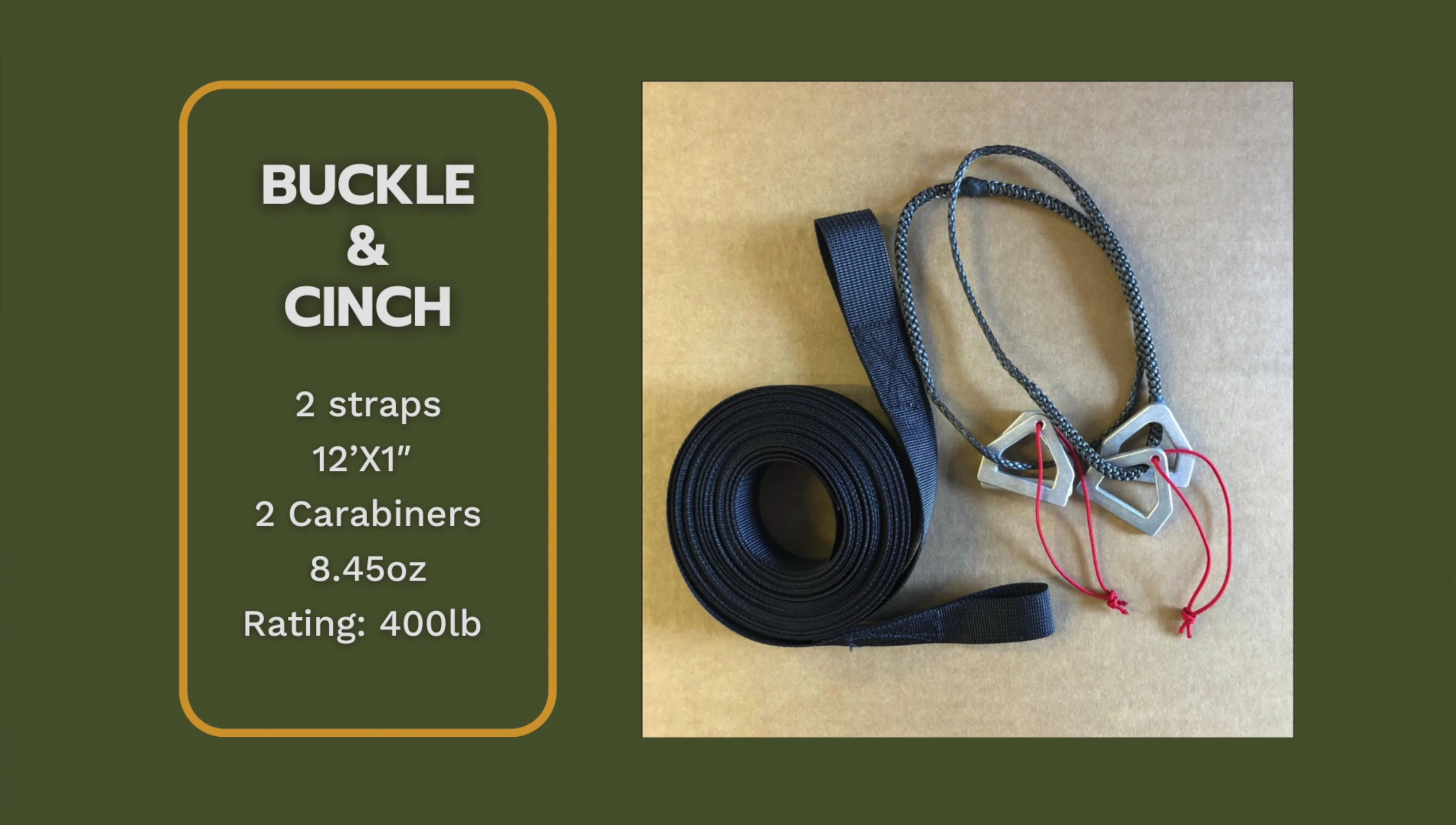
- Offers multiple suspension options (buckle and cinch, Whoopi slings, Becket hitch)
- Can be a big investment
- Pairs well with War Bonnet Ridgerunner
- 800 Fill Goose down
- Rated to 10° Fahrenheit (-12° C)
- Weighs 15.36 ounces
- Made of 20D polyester
- Handsewn in the USA
- 13 ft long, 16.8 oz
- Made from 30D sil poly
- 13 ft long, 11.75 oz
- Made of 20D sil poly
- Lightweight and offers flexibility
Read more: Top 5 Square Camping Tables for Your Next Adventure
The Discovery and Initial Impressions
My backpacking adventures usually involved tents. Then, a participant's recommendation for a hammock changed everything. He was a side sleeper suffering from hip and shoulder pain from sleeping on the ground. He needed comfort without the claustrophobia of a tent.
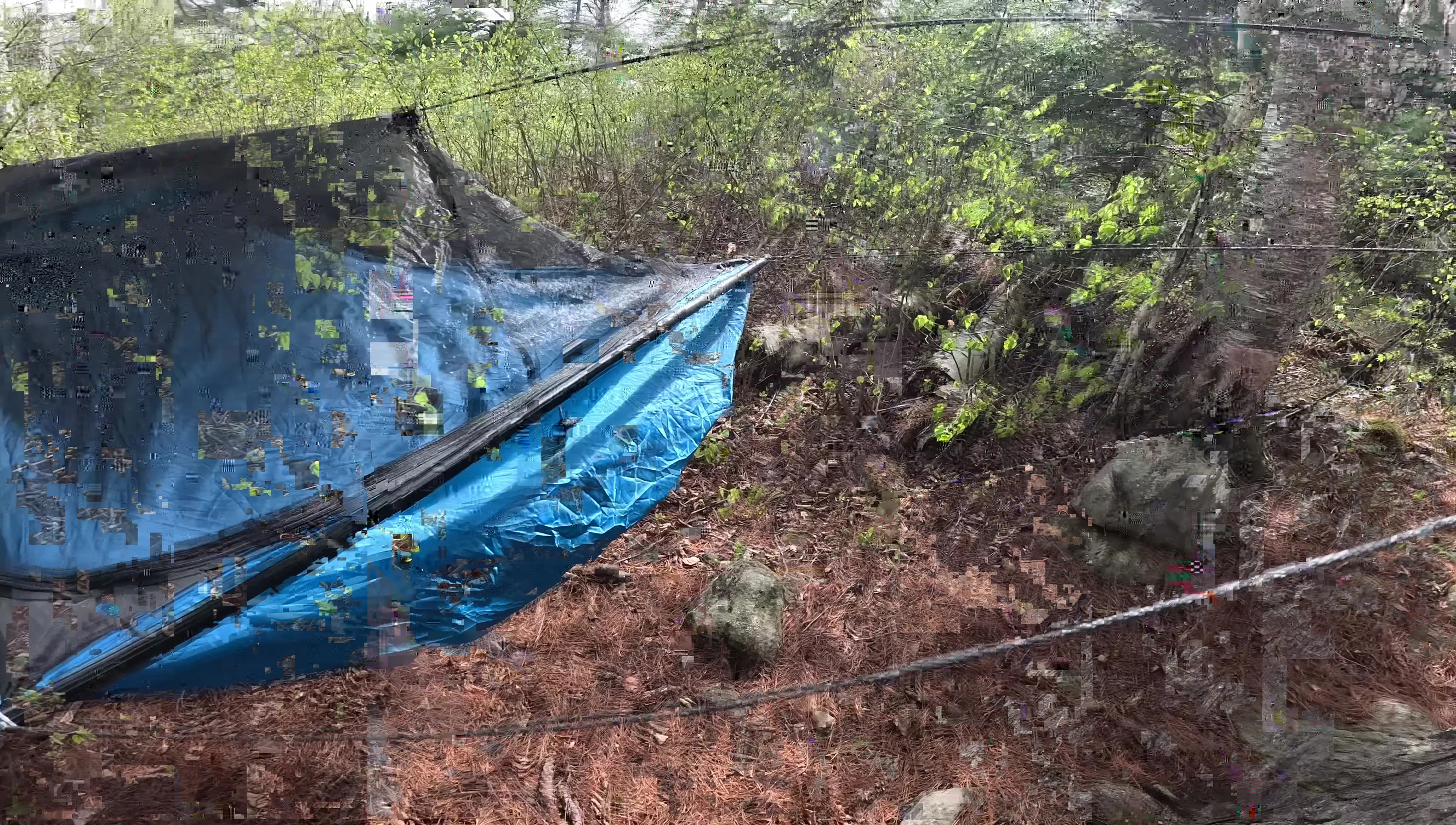
After researching various hammocks, the Warbonnet Ridgerunner emerged as the top contender. Several fellow adventurers on a subsequent trip also used hammocks, sparking my curiosity. Their overwhelmingly positive feedback solidified my decision to try it.
I tested several hammocks, but the Warbonnet Ridgerunner's superior comfort set it apart. Its impact on my backcountry sleep was transformative. The flat sleeping surface was a revelation.
Ridgerunner's Unique Design and Features
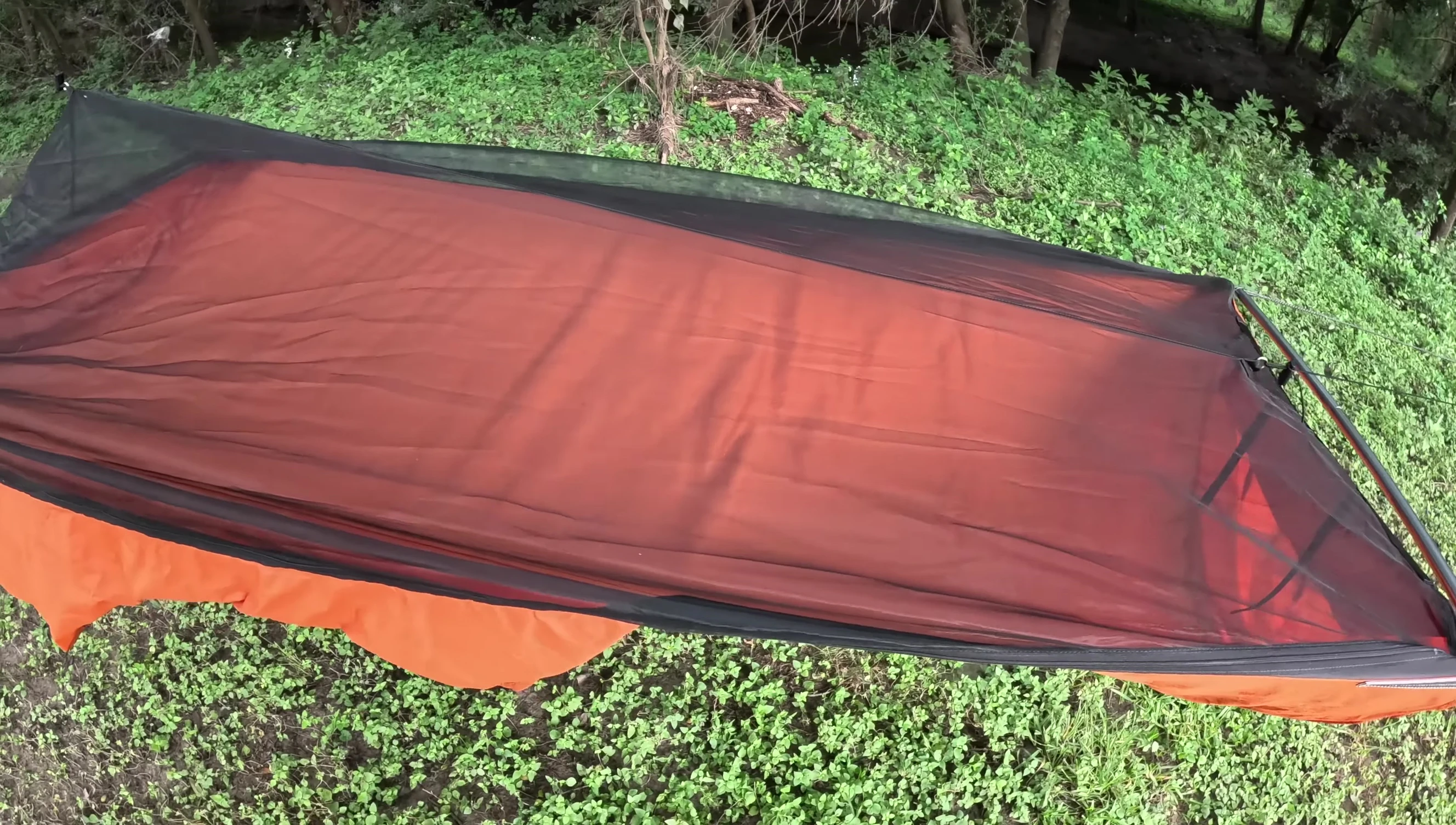
Unlike traditional hammocks, the Ridgerunner's spreader bars create a flat, stable sleeping platform. This eliminates the banana shape and allows comfortable sleeping on your back, stomach, or side.
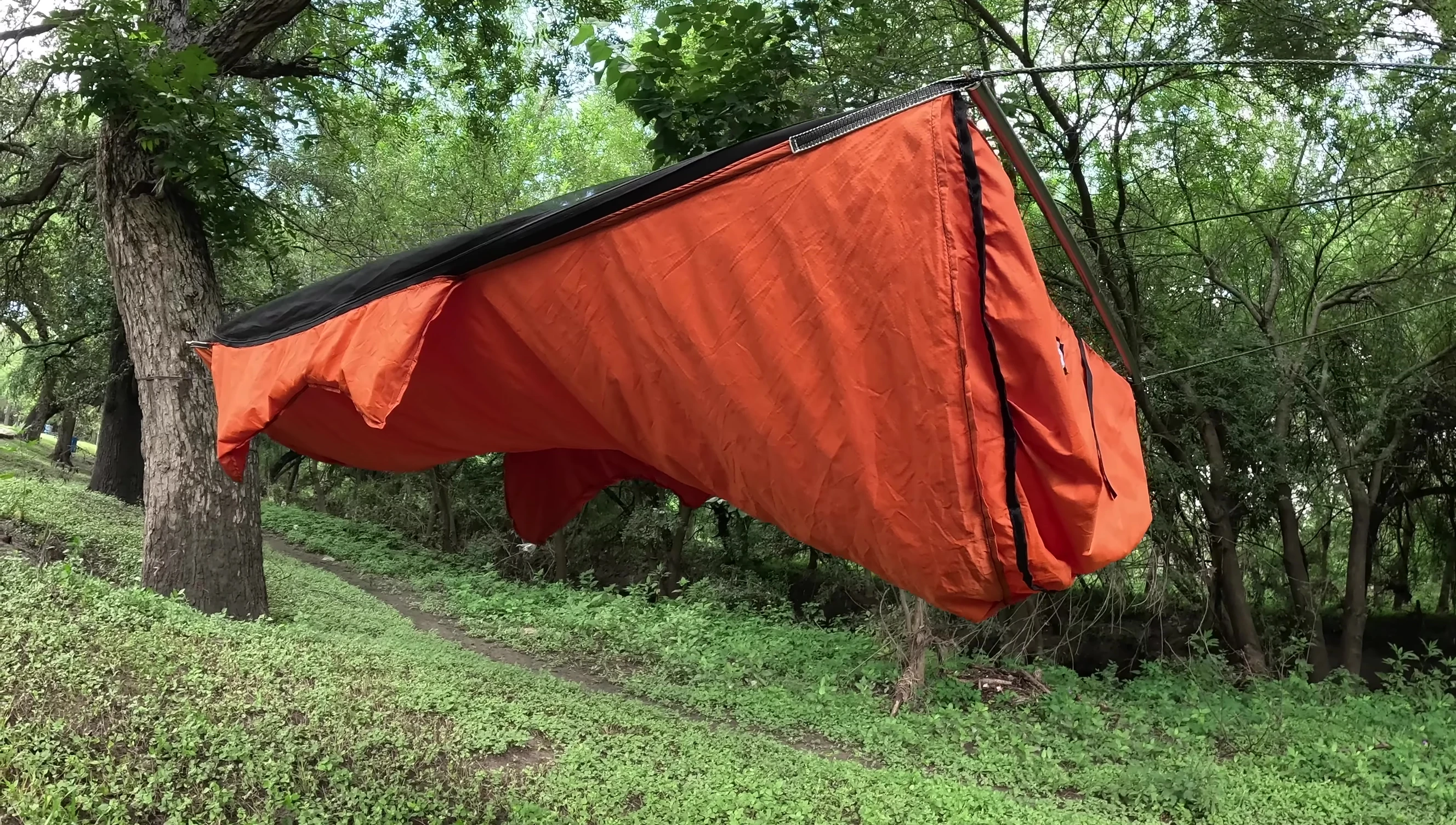
Beyond sleeping, the double-layer hammock with bug net provides shelter from the elements. The 30D nylon fabric is remarkably durable yet lightweight (1 lb 4 oz). It boasts a 250 lb weight capacity and fits individuals up to 6'6" tall.
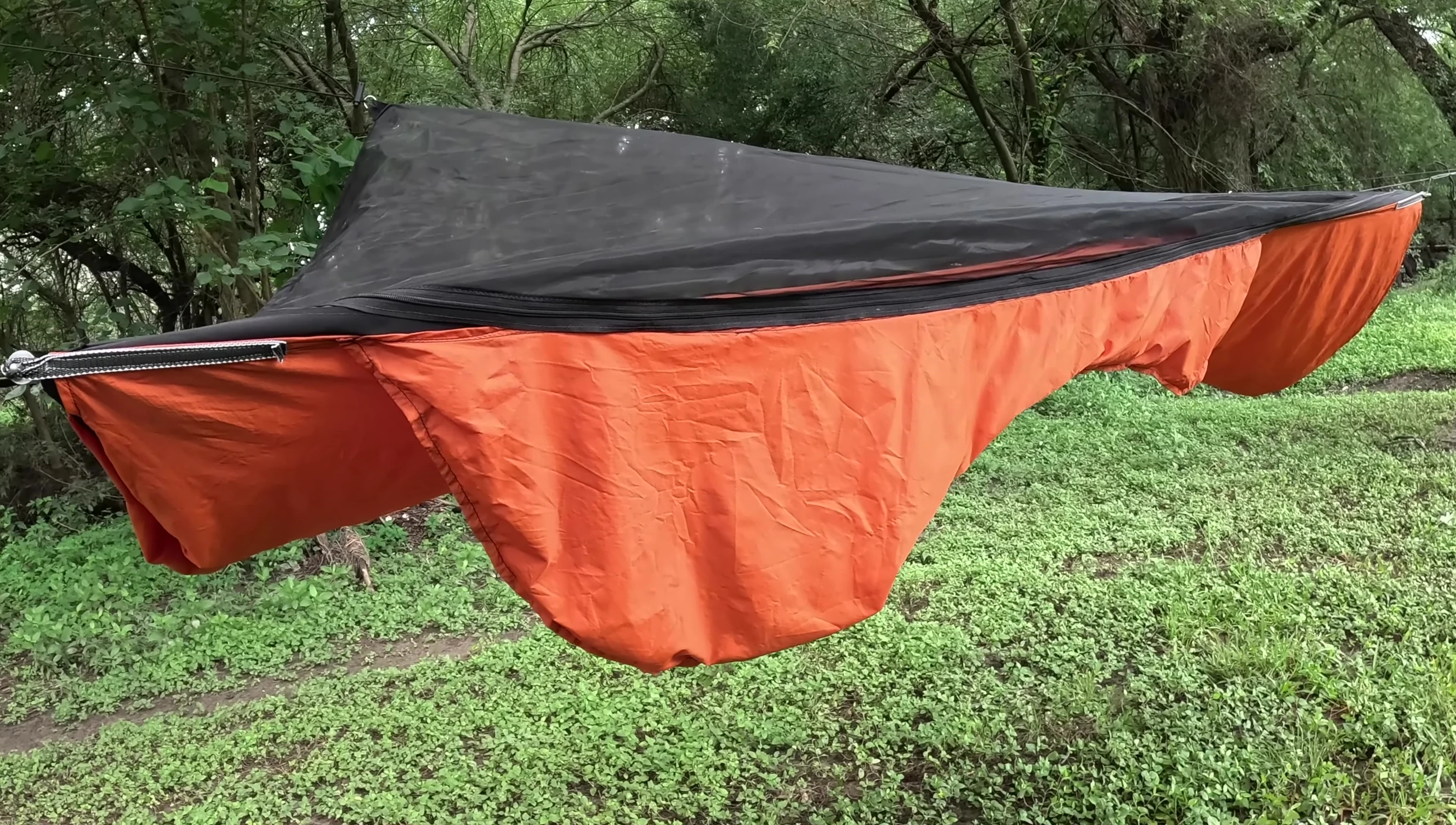
The integrated two-way zippered bug net offers complete protection and conveniently rolls away when not needed. Well-designed saddle bag pockets provide ample storage for water bottles, jackets, and other gear; a smaller pocket at the head is perfect for small items.
Suspension and Tarp Options
Warbonnet offers various suspension systems: buckle and cinch (easy for beginners), Whoopie slings (lightweight but fiddlier), and the Becket hitch (my preference for its simplicity and durability).
Their hand-sewn tarps – Thunderfly, Minifly, and Mountainfly – provide excellent rain protection. The Thunderfly is larger and heavier, ideal for full protection. The Minifly prioritizes lightweight portability.
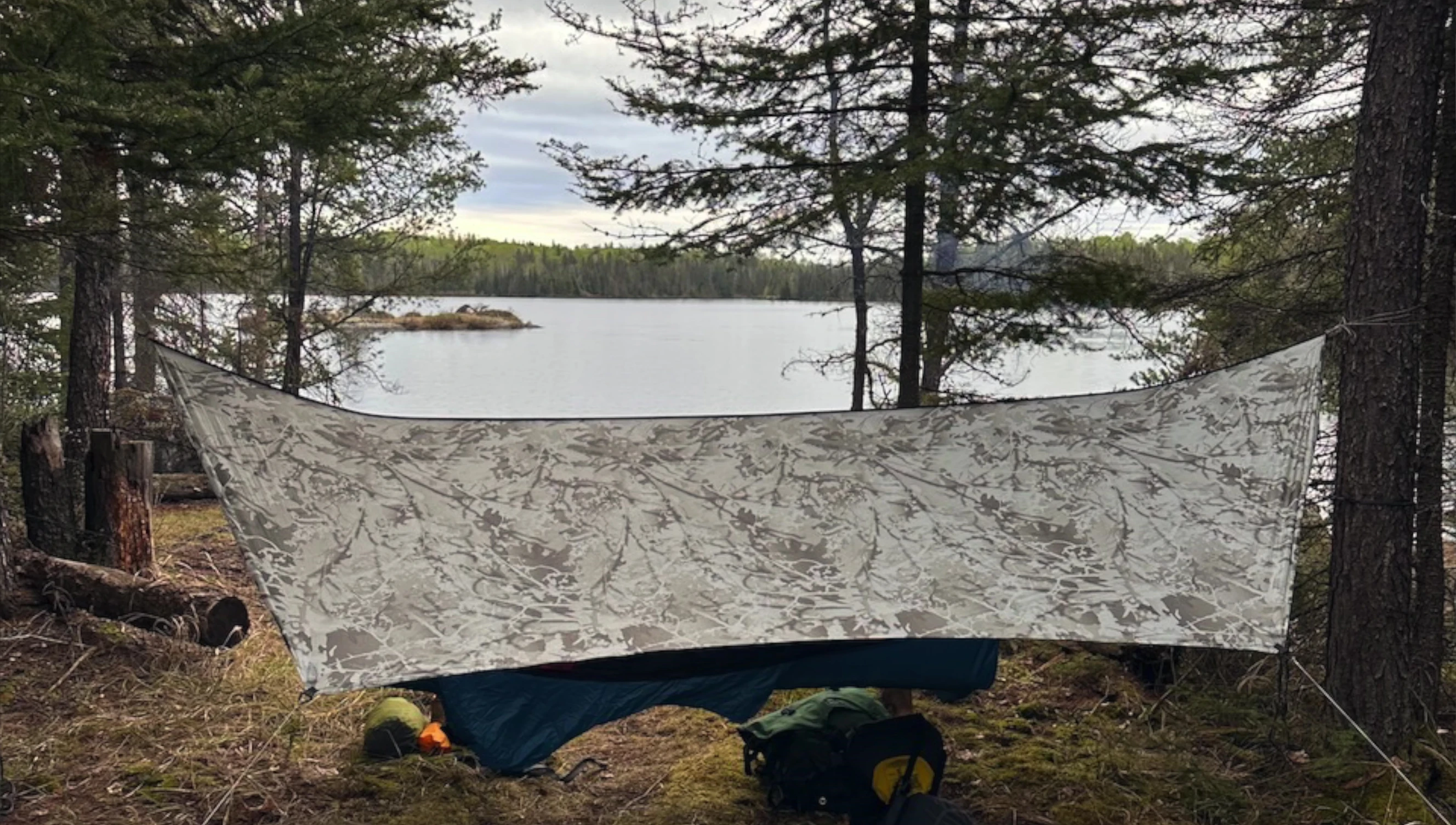
The choice depends on your needs. The Minifly is perfect for backpacking due to its lightweight nature, while the Thunderfly suits situations where weight is less critical. I utilize both tarps regularly, depending on my trip’s demands.
Staying Warm in Cold Weather
Cold weather hammock camping requires an underquilt for optimal warmth. The Torso Lynx underquilt, rated to 10°F (-12°C), is a great choice, especially for sub-freezing temperatures.
The underquilt attaches easily to the hammock's webbing loops using carabiners. It significantly enhances insulation and prevents heat loss, even in windy conditions.
Without an underquilt, cold weather comfort diminishes substantially. Experiences with temperatures dropping below 30°F highlight the necessity of additional insulation for comfortable cold-weather hammock camping.
Conclusion: Is the Warbonnet Ridgerunner Worth It?
The Warbonnet Ridgerunner is a premium hammock with a corresponding price tag. Its flat, comfortable sleeping surface and thoughtful features make it worthwhile for serious side sleepers and anyone seeking superior comfort.
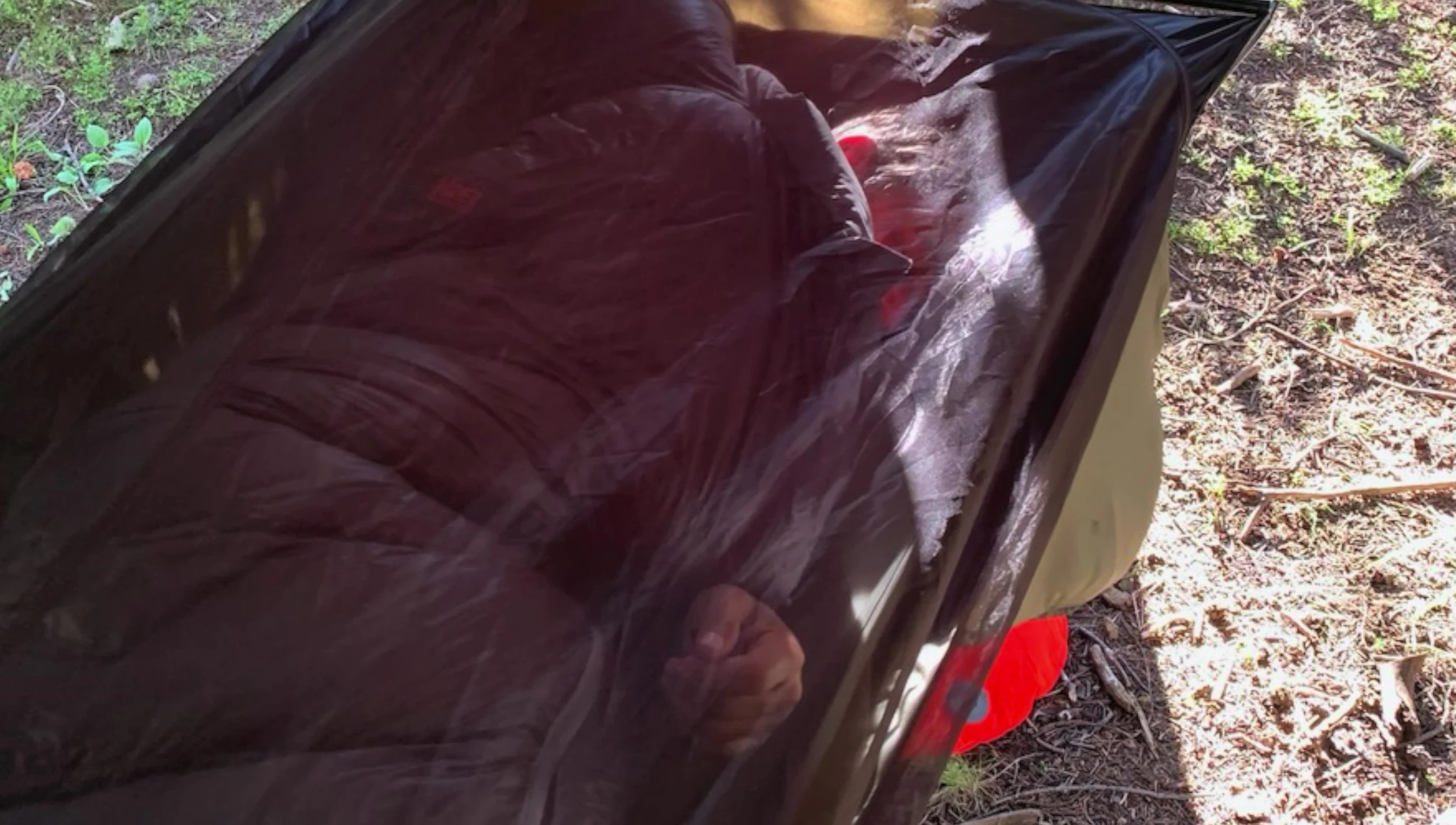
The comprehensive system – hammock, tarp, and underquilt – offers unparalleled backcountry sleep. While the initial cost is higher, the long-term comfort and peace of mind justify the investment.
The Ridgerunner's superior design, along with its various customization options for tarps and suspension, makes it the ultimate choice for those prioritizing comfort and a superior sleep experience in the outdoors.