
The Trekology UL R7 sleeping pad offers a compelling blend of warmth and affordability for backpacking enthusiasts. This review delves into the performance and value of this budget-friendly option, comparing it to higher-end alternatives like the Therm-a-Rest NeoAir XLite. We'll examine its key features, including its impressive R-value of 7.2, comfortable dimensions, and easy-to-use valve system. We'll also assess its weight and packing size, crucial factors for backpackers prioritizing ultralight gear. Finally, we'll weigh the pros and cons to determine if the Trekology UL R7 is the right choice for your backpacking adventures.This in-depth review covers real-world usage experiences, offering insights into the pad's warmth, comfort, and overall practicality in various temperature conditions. We'll discuss the trade-offs between weight savings and cost, helping you decide if the Trekology UL R7's superior value proposition outweighs the slightly increased weight compared to premium options. Ultimately, this review aims to provide a comprehensive assessment, empowering you to make an informed decision based on your individual needs and priorities.
Pros And Cons
- Best budget sleeping pad on the market
- R-value of 7.2
- Sleeps warm in temperatures down to the 30s
- Comfortable
- Easy-to-use valve
- Great value for the price ($53)
- Weighs almost 2 lbs (without stuff sack)
- Takes up a bit of space when packed
Read more: Top 5 Square Camping Tables for Your Next Adventure
Specifications and Initial Impressions
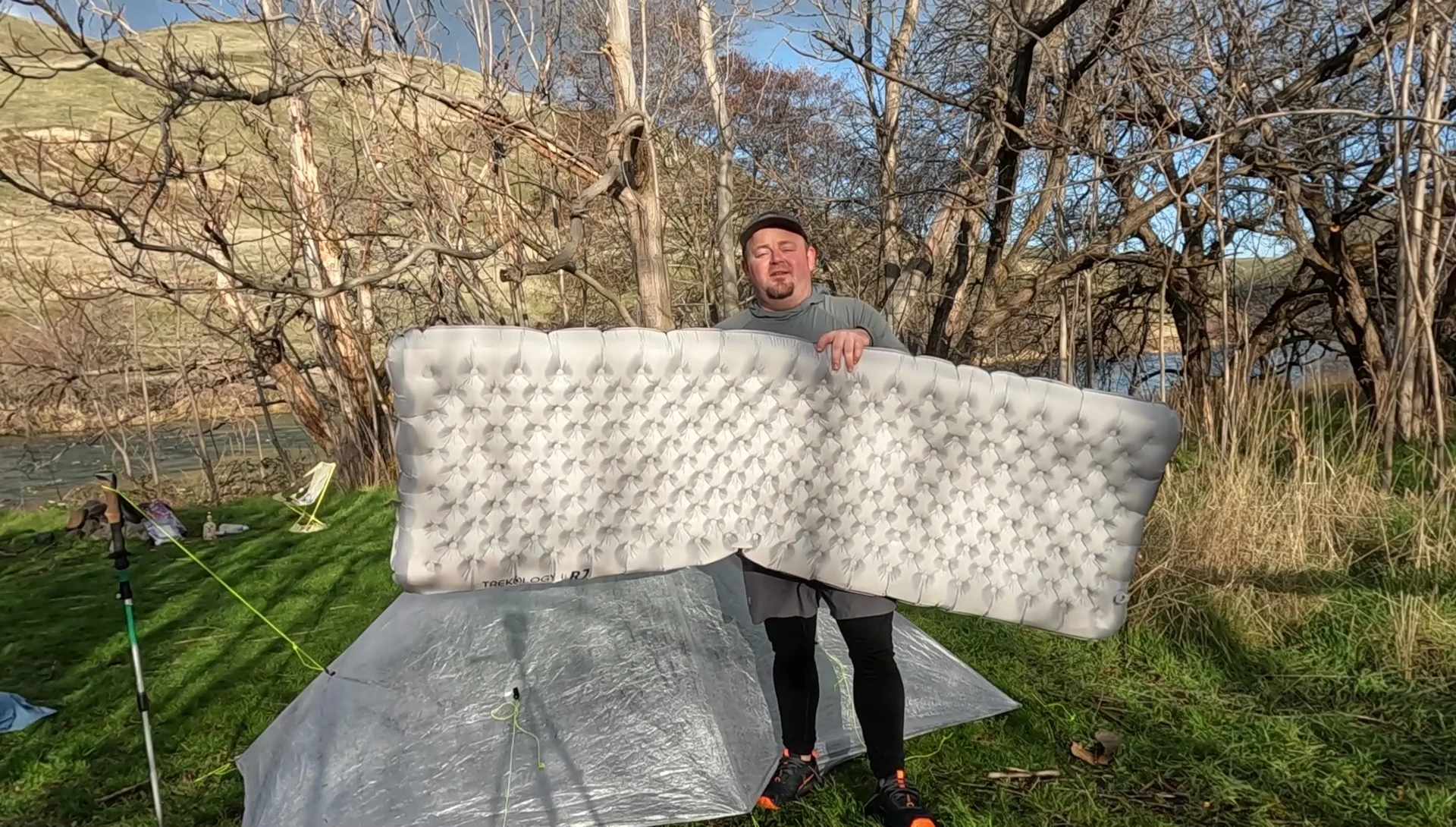
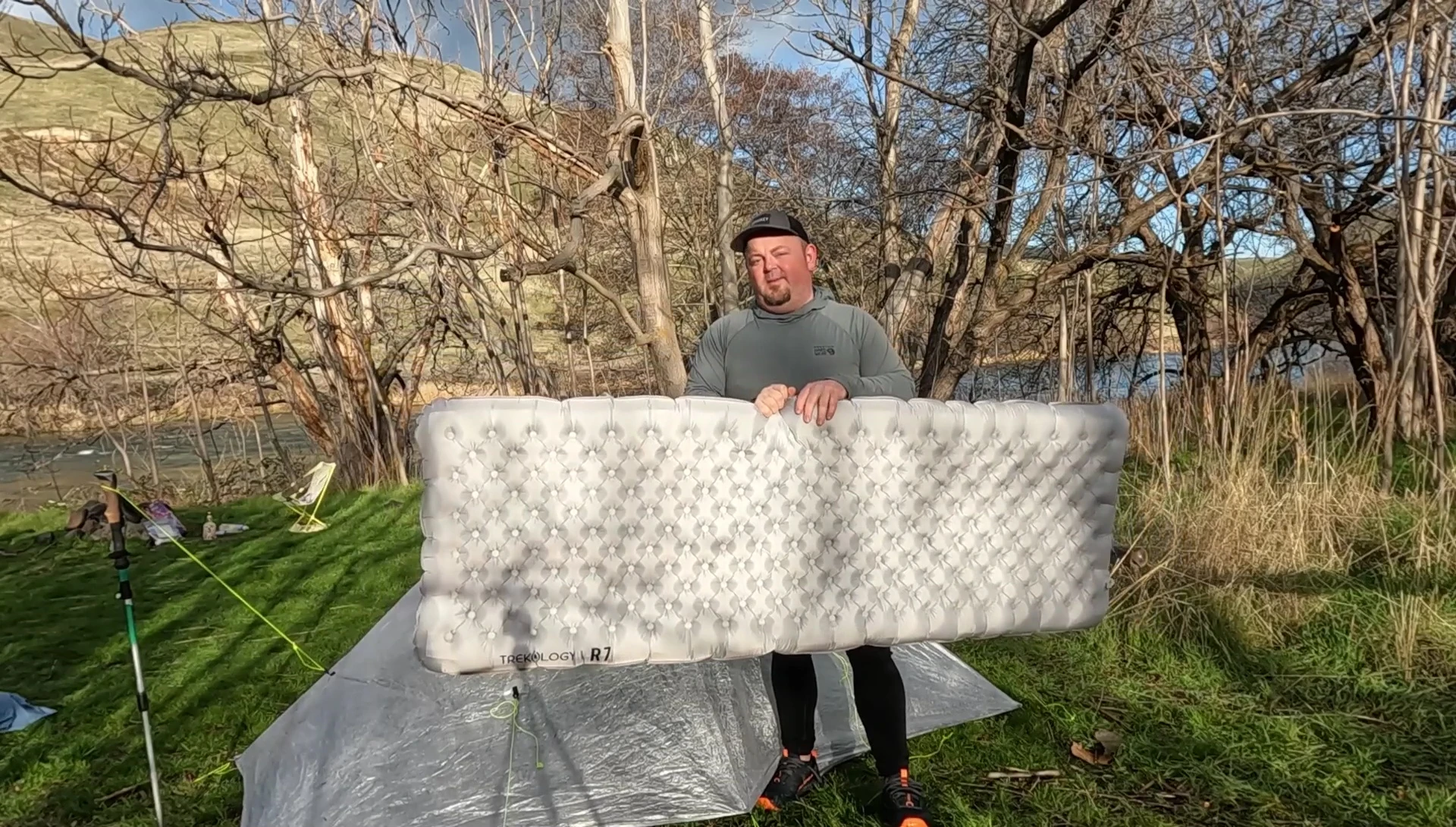
The Trekology UL R7 sleeping pad boasts an impressive R-value of 7.2, suggesting excellent insulation for colder temperatures. Its dimensions are 71 inches long, 24 inches wide, and 4 inches thick. While comfortable, it does weigh in at nearly 2 lbs (without stuff sack), a minor drawback for ultralight backpackers.
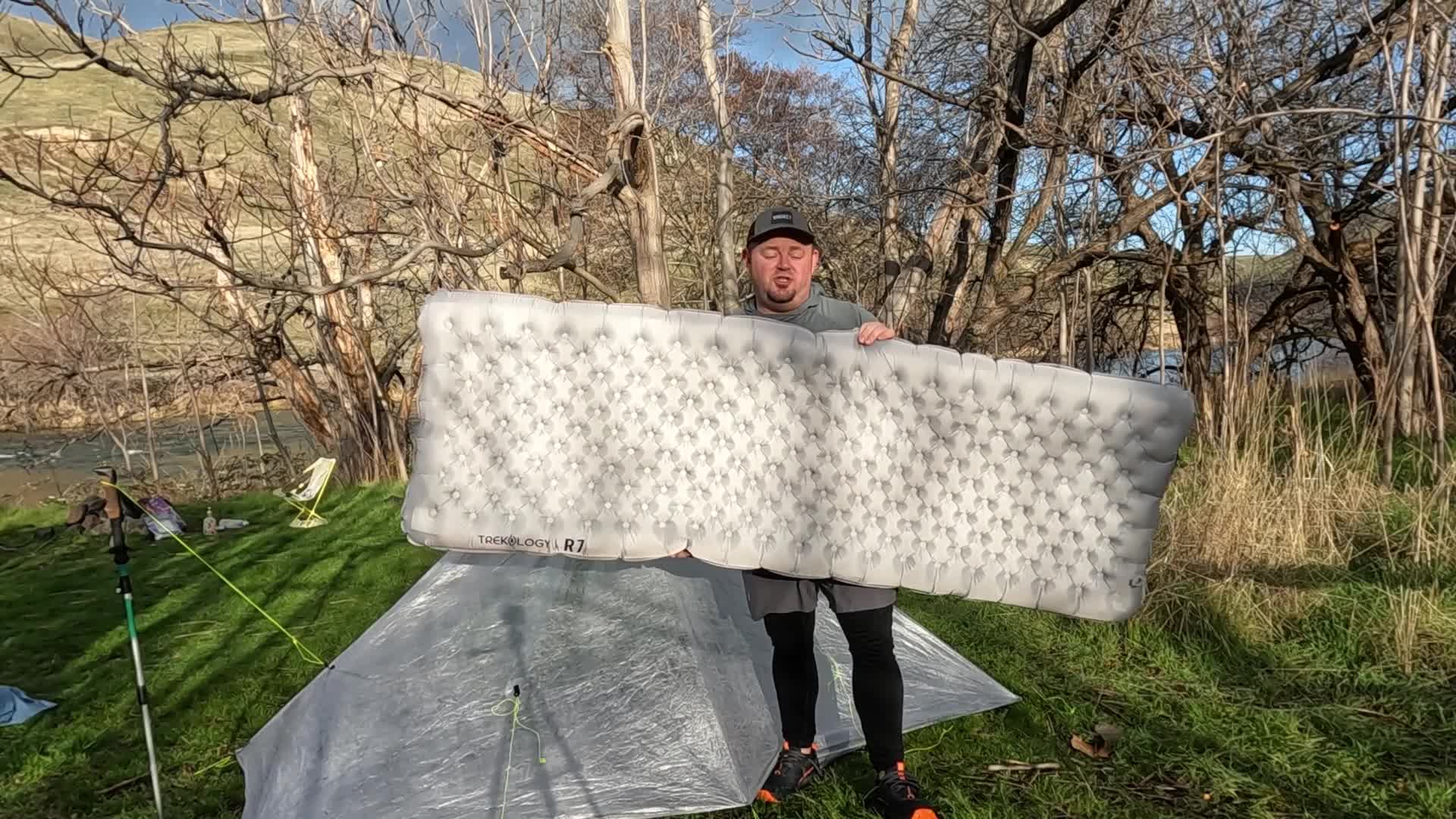
The pad's price point is attractive, currently around $53 on Amazon, making it a very competitive option in the budget sleeping pad market. I've personally used it for four nights in temperatures down to the 30s, and found it consistently warm and comfortable.
Performance and Usability
The Trekology R7's valve system is intuitive and easy to use, although it can be a little tricky to locate initially. It features a double-valve system for efficient inflation and deflation. Despite its compact packing size (approximately the size of two nalgenes), it still takes up a fair amount of space in your pack.
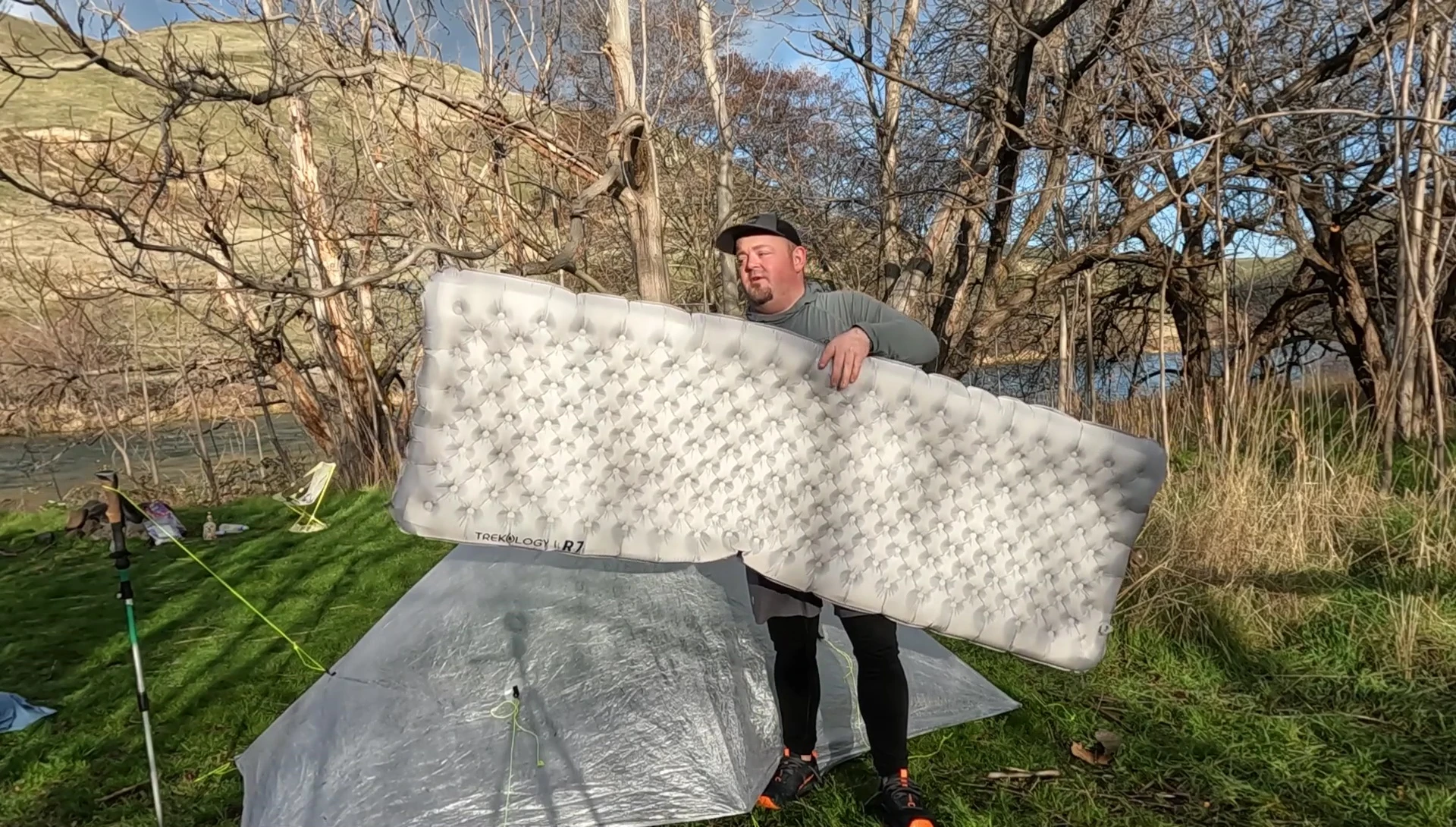
In terms of comfort, the pad exceeded expectations. Even in colder conditions, it provided ample warmth and cushioning. The slight bulk and weight are the only significant downsides, easily outweighed by its comfort and affordability for many users.
Comparison with Thermarest
The Trekology R7 is a bit smaller than the Therm-a-Rest NeoAir XLite. The Thermarest offers a slightly lower R-value (around 4.7) but boasts a lighter weight (approximately 3 oz less). However, the Therm-a-Rest comes with a significantly higher price tag, around $270.
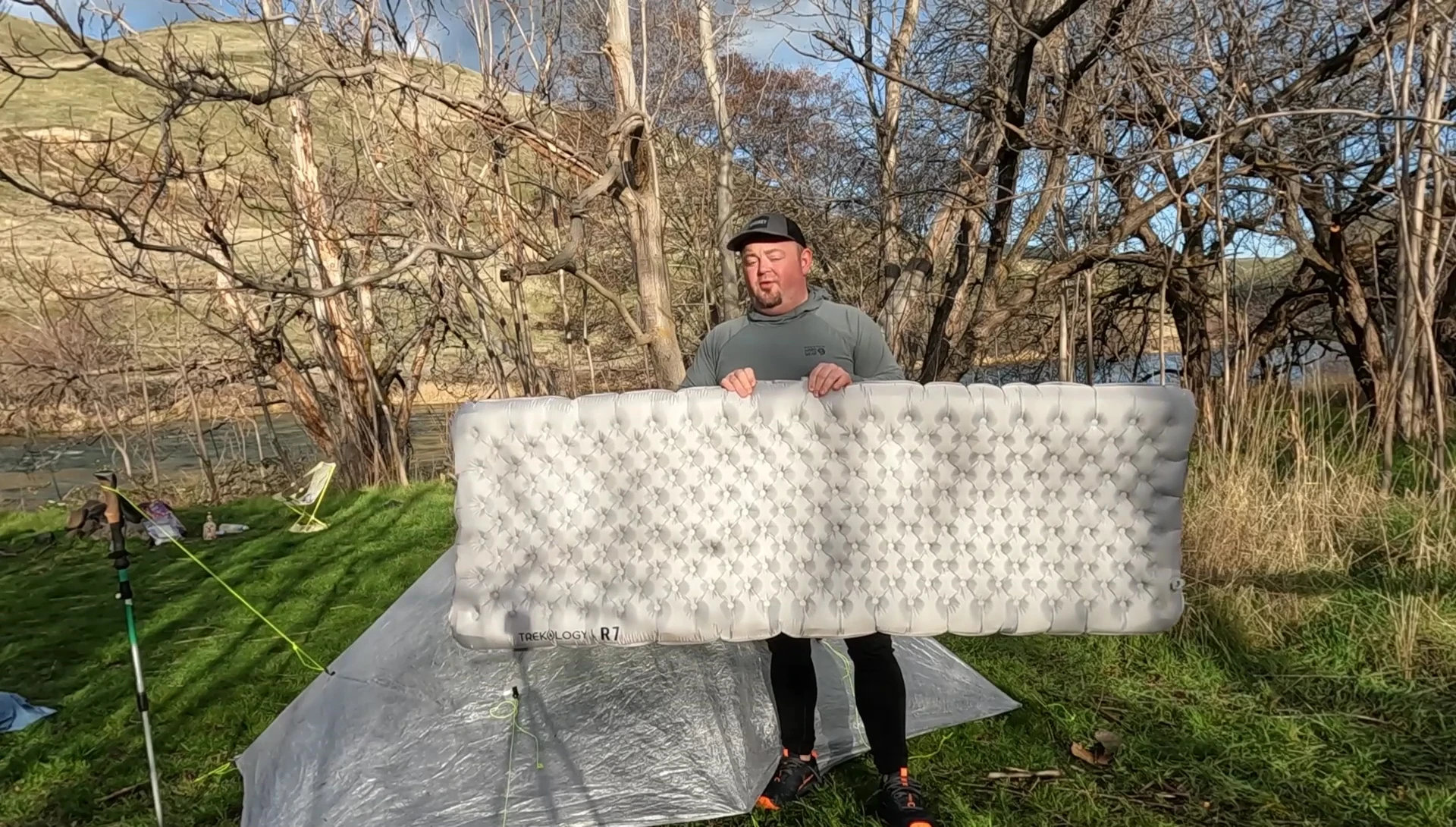
The decision between the two pads depends largely on individual priorities. Are you willing to sacrifice a bit of weight for a considerable savings? The Trekology R7 presents a strong value proposition, while the Therm-a-Rest appeals to those prioritizing ultralight gear above all else.

Conclusion
The Trekology UL R7 sleeping pad shines as a budget-friendly option for backpacking, offering excellent value for its price. Its R-value of 7.2 provides impressive warmth in cold conditions. While the weight isn't ultralight, the comfort and affordability make it an excellent choice for occasional or budget-conscious backpackers.
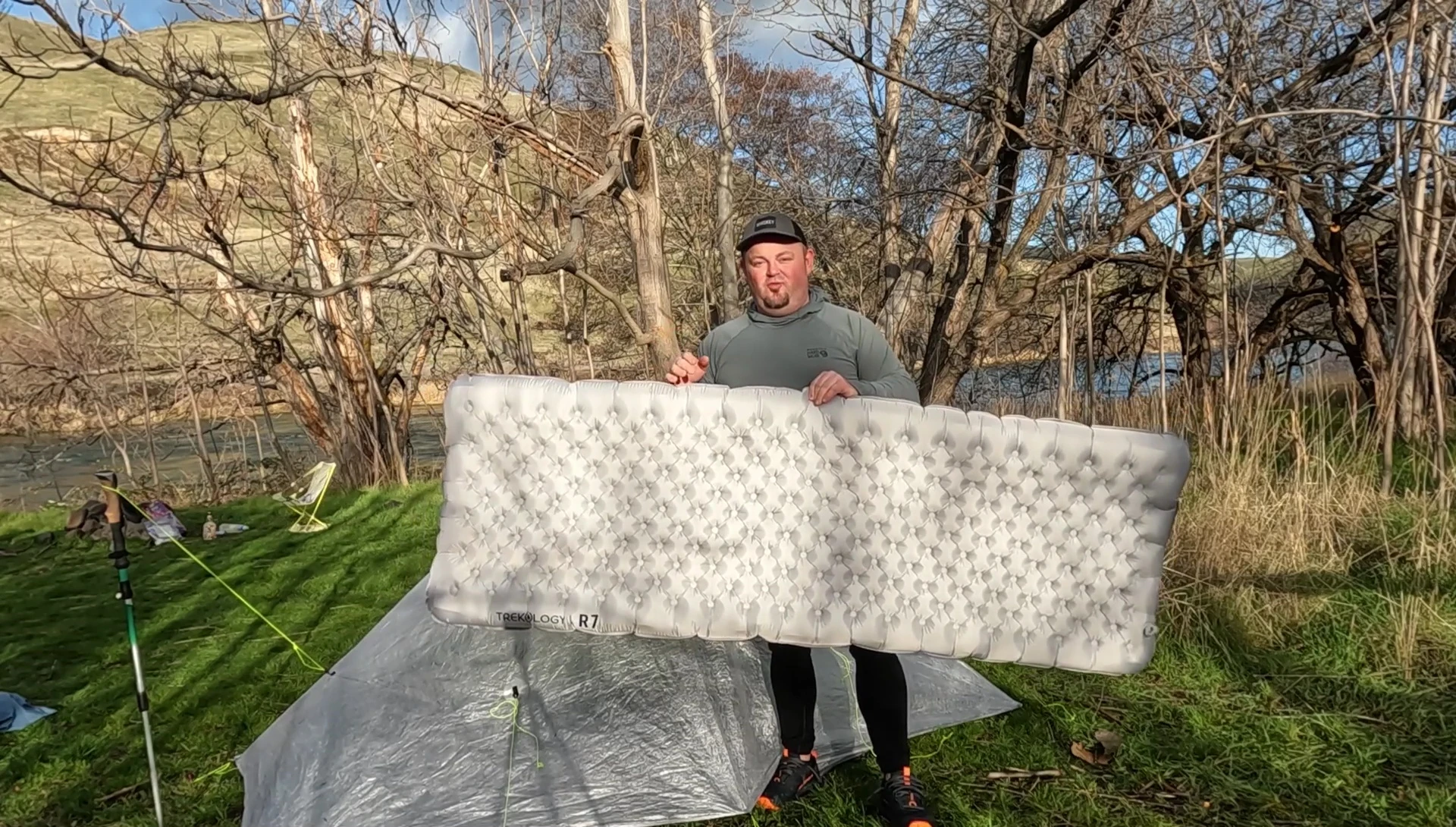
Compared to higher-end options like the Therm-a-Rest, it sacrifices a bit of weight, but saves a significant amount of money. If ultralight weight is your top priority and budget is less of a concern, the Therm-a-Rest might be preferable; but for most users, the Trekology UL R7 offers an impressive balance of warmth, comfort, and price.
