
This review delves into the Western Mountaineering TerraLite 25 sleeping bag, a lightweight option aimed at backpacking enthusiasts prioritizing weight reduction. The author, seeking a lighter alternative to their existing Nemo Disco 15, chose the TerraLite 25 based on its reputation and promise of comparable warmth. This review details the author's experience with the bag across various temperature conditions, highlighting both its strengths and weaknesses. Particular attention is paid to the bag's performance in colder temperatures compared to the author's heavier, but warmer, Nemo bag.The review covers the TerraLite 25's features, including its spacious design, high-quality down fill, and smooth zippers. However, it also examines the impact of the missing draft collar on overall warmth, a crucial factor in colder weather. Through field testing in both desert and mountain environments, the author assesses the bag's actual warmth rating against its advertised comfort level. Ultimately, the review offers a balanced perspective on the TerraLite 25's suitability for different backpacking scenarios and temperature ranges, assisting readers in making an informed purchase decision.
Pros And Cons
- Lightweight (just under 2 lbs)
- High-quality 850+ goose down fill
- Roomy (fits 6'2" 215 lbs reviewer well)
- Full-length zipper with smooth operation
- Second zipper at the bottom
- Unzips completely to become a blanket
- Vertical baffles allow down movement for temperature regulation
- Tight cinch string
- High loft
- Lacks a draft collar
- Small hood (reviewer considers it inadequate)
- Did not perform well in temperatures below 40°F (reviewer experienced coldness in lower body despite wearing layers)
- Reviewer felt it was not suitable for temperatures in the 30°F range
Read more: Top 5 Square Camping Tables for Your Next Adventure
Background and Research
My backpacking gear always aims for weight reduction, and my sleeping bag was a prime target. I currently own a Nemo Disco 15, which is roomy, warm, and packs down well, but it weighs approximately three pounds. I wanted a lighter option without sacrificing comfort or warmth.
My research led me down many paths, considering quilts and various sleeping bag designs. Ultimately, I preferred the familiar feel and security of a traditional zippered sleeping bag.
The Western Mountaineering TerraLite 25 caught my attention due to its lighter weight (about a pound lighter than my Nemo) while seeming to offer similar warmth. I also trusted Western Mountaineering's reputation for high-quality, warm sleeping bags.
Bag Features and Specifications
I purchased the 6'6" TerraLite 25. At 6'2" and 215 lbs, I found it spacious. The bag uses high-quality 850+ fill power goose down, making it incredibly lightweight and lofty.
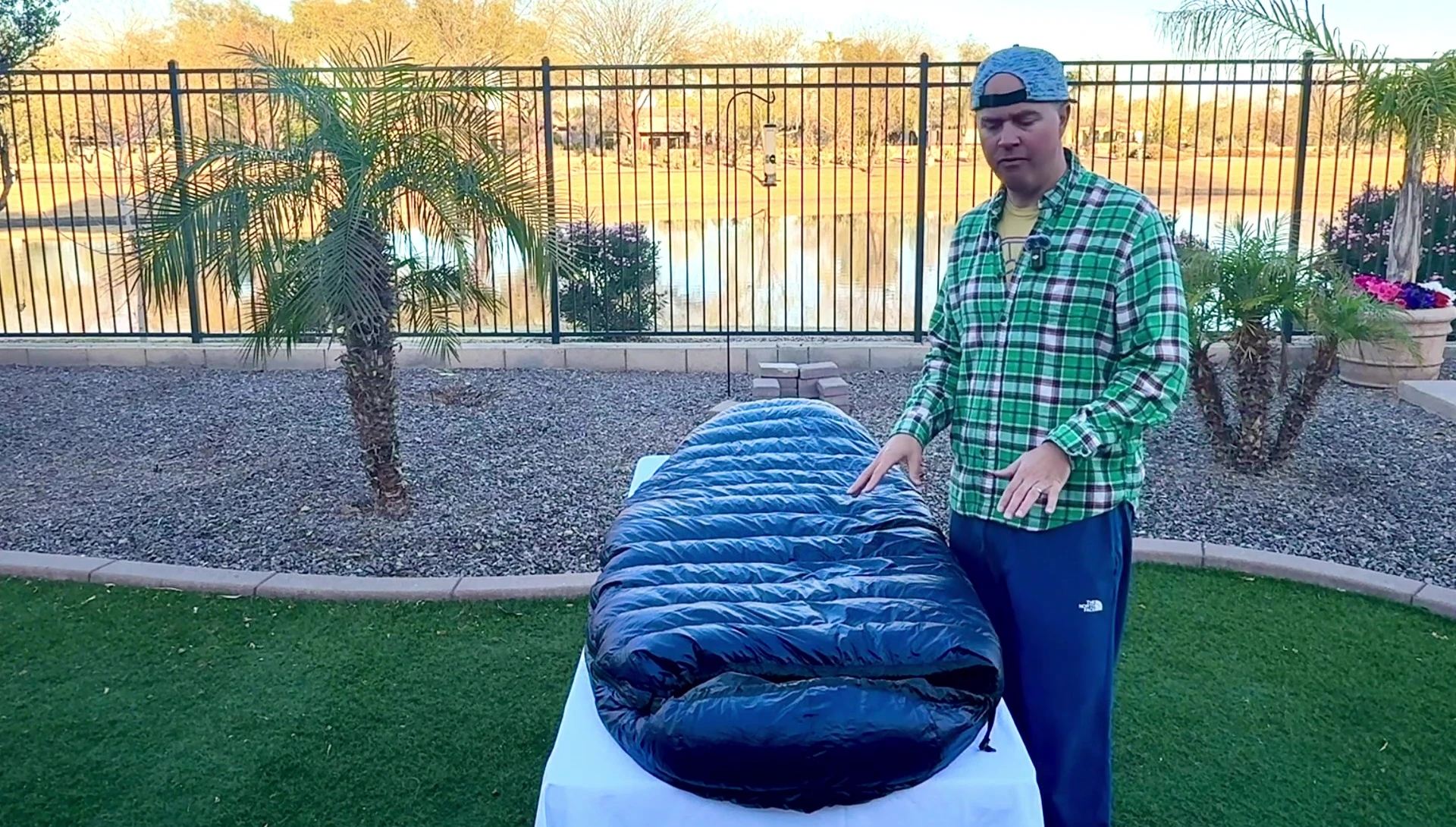
The full-length side zipper and additional bottom zipper are exceptionally smooth and reliable. The zippers are a standout feature.
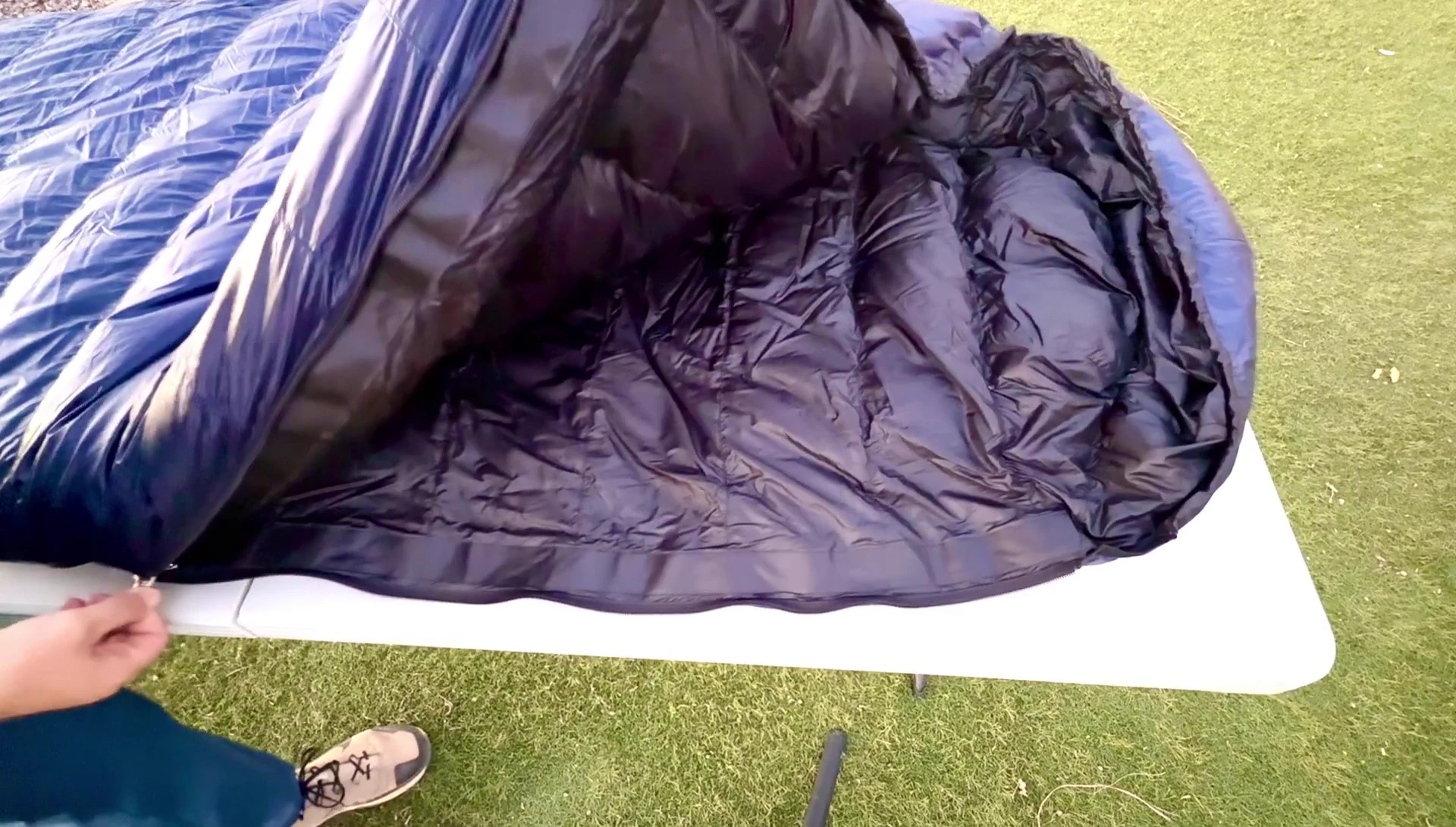
The vertical baffles allow for down adjustment to regulate warmth, and the bag also features a cinch cord for a snug fit around the neck. However, it lacks a draft collar, which I missed considerably during colder nights.
Real-World Testing and Performance
My first test was in the Arizona desert, where temperatures unexpectedly plummeted to 27°F. I used a lower R-value sleeping pad (Nemo Quazar), and while initially comfortable in the 40s, I experienced significant cold in my lower body as temperatures dropped below 40°F, even with additional layers.
The second test was in the mountains at approximately 32°F inside the tent. This time, I used a warmer Nemo Tensor Insulated pad and extra layers. The results were similar; below 40°F, I felt cold despite extra layers.
The bag performed noticeably worse than my Nemo Disco 15 in similar conditions. The lack of a draft collar significantly impacted warmth.
Final Verdict and Alternatives
The Western Mountaineering TerraLite 25, while lightweight and spacious, didn't meet my expectations for warmth in temperatures below 40°F. Its comfort rating seems optimistic, particularly given the lack of a draft collar.
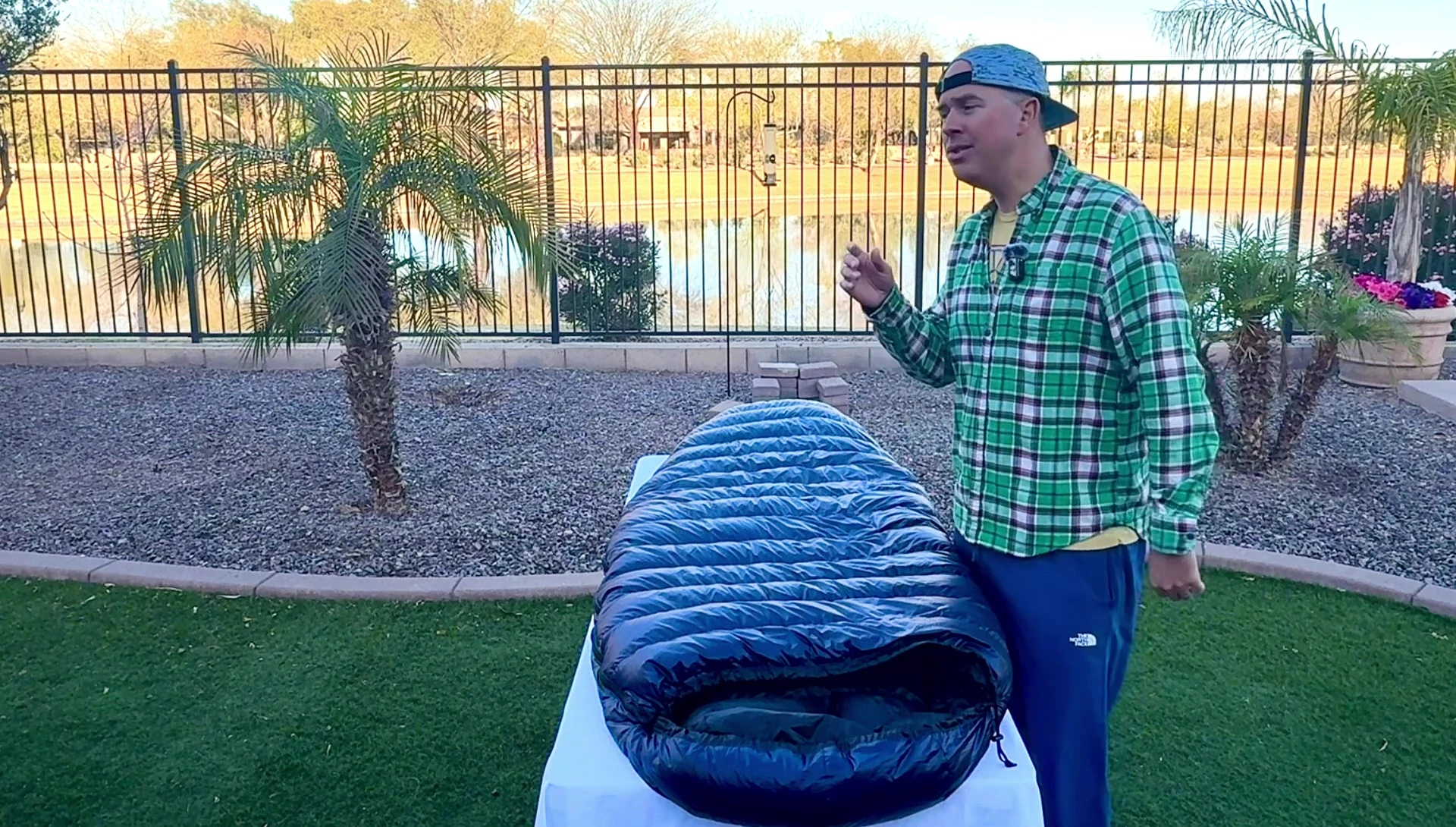
This bag is likely better suited for warmer summer conditions or for individuals who sleep in many layers. For colder temperatures, I'll stick with my Nemo Disco 15, accepting its slightly higher weight.
I'll continue searching for the ideal balance of warmth and weight. A quilt might be an option for summer use, providing further weight reduction.